Niacin-Induced Liver Failure September 19, 2024 Be aware of the risk of liver injury from use of very high dose niacin, as recently reported in an otherwise healthy, young woman who was taking niacin to manage anxiety and depression
Certificate of Analysis (CoA) provided for compounded med
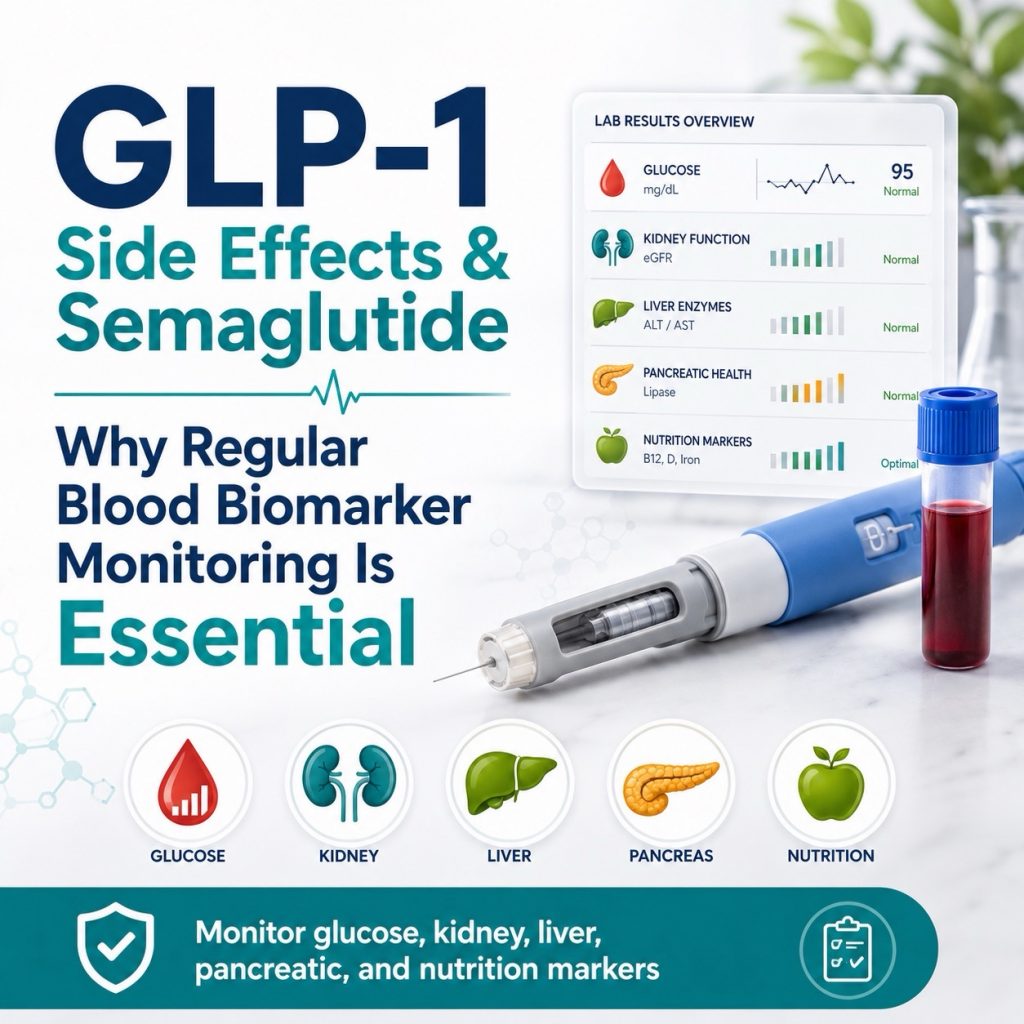
Lipase/amylase ratio

The FormBlends Three-Tier Access Model We've observed that patients naturally sort into three tiers based on insurance status and financial resources: Tier 1: Savings card eligible (approximately 35% of patients seeking Zepbound) Commercial insurance with formulary coverage Monthly cost: $25 to $75 via Lilly savings card Clinical approach: Pursue brand-name Zepbound, manage prior authorization process, use savings card for copay reduction Tier 2: Income-qualified assistance (approximately 15% of patients) Uninsured or underinsured with income below 400% FPL Monthly cost: $0 via Lilly Cares Foundation Clinical approach: Apply for patient assistance, use compounded tirzepatide during application processing period, transition to brand Zepbound if approved Tier 3: Self-pay optimization (approximately 50% of patients) Medicare/Medicaid beneficiaries, uninsured above income threshold, or insurance denials Monthly cost: $179 to $299 for compounded, $920 to $1,015 for brand cash Clinical approach: Compounded tirzepatide through telehealth becomes the primary pathway due to 70% to 85% cost reduction versus brand cash pricing This model predicts patient pathway selection with approximately 85% accuracy based solely on insurance category and income data
Currently, three AAV-mediated PKP2-related ARVC gene therapies have received FDA approval to enter phase I clinical trials: 301 TN-401 (NCT06228924), LX2020 (NCT06109181), and RP-A601 (NCT05885412)