Gastrointestinal adverse events Very common (10% or more): Diarrhea (35%), abdominal pain (21%), vomiting (21%), nausea (12%) Common (1% to 10%): Constipation, dyspepsia, gastrointestinal disorder, melena Very rare (less than 0.01%): Abdominal cramps [Ref] Nervous system Very common (10% or more): Headache (37%), dizziness (18%), paresthesia (12%) Common (1% to 10%): Hypertonia, vertigo, taste perversion Frequency not reported : Seizures (with or without pre-existing seizure activity), increase in seizure frequency and/or severity [Ref] Metabolic Very common (10% or more): Hypercalcemia (15%), hypervolemia (12%) Common (1% to 10%): Anorexia, hyperkalemia [Ref] There are reports from clinical trials of significant hypertriglyceridemia associated with high doses of levocarnitine (3 g/day) given to uremic dialysis patients
Comparison to BPC-157 While BPC-157 focuses on the blood vessels and the supply lines, TB-500 focuses on the cellular workers themselves
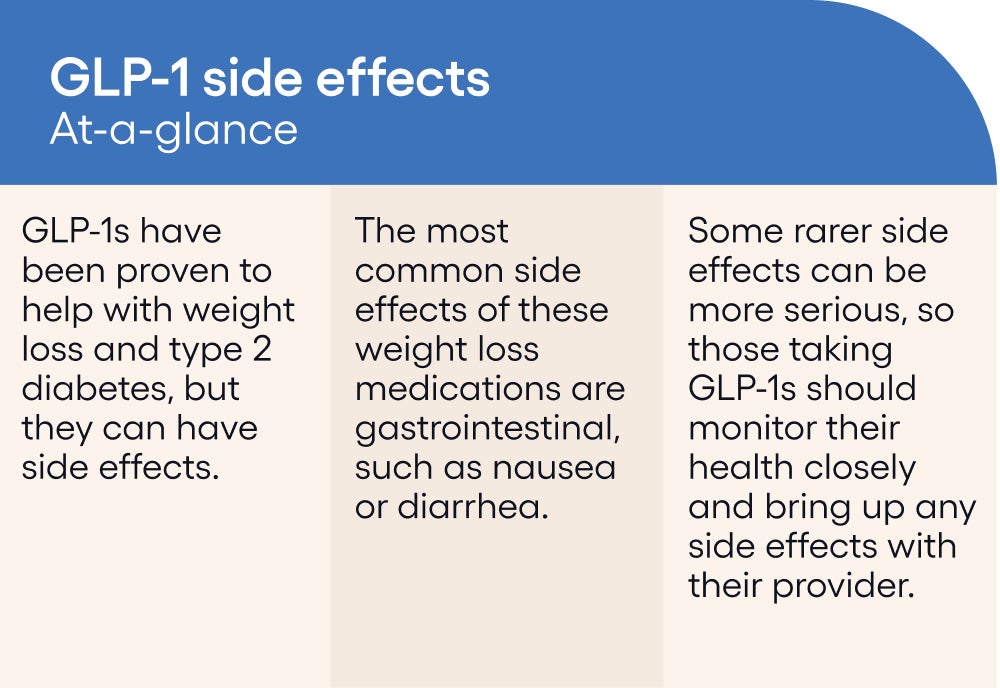
Some of the most common are nausea, diarrhea, and fatigue
Computer aided design of novel antibiotic drug candidate against multidrug resistant strains of Salmonella Typhi from pyridine-substituted coumarins
You can also check out our Data-Driven Fasting Challenges, which walk you through how to use your blood glucometer as a fuel gauge to determine when to refuel and what to refuel with