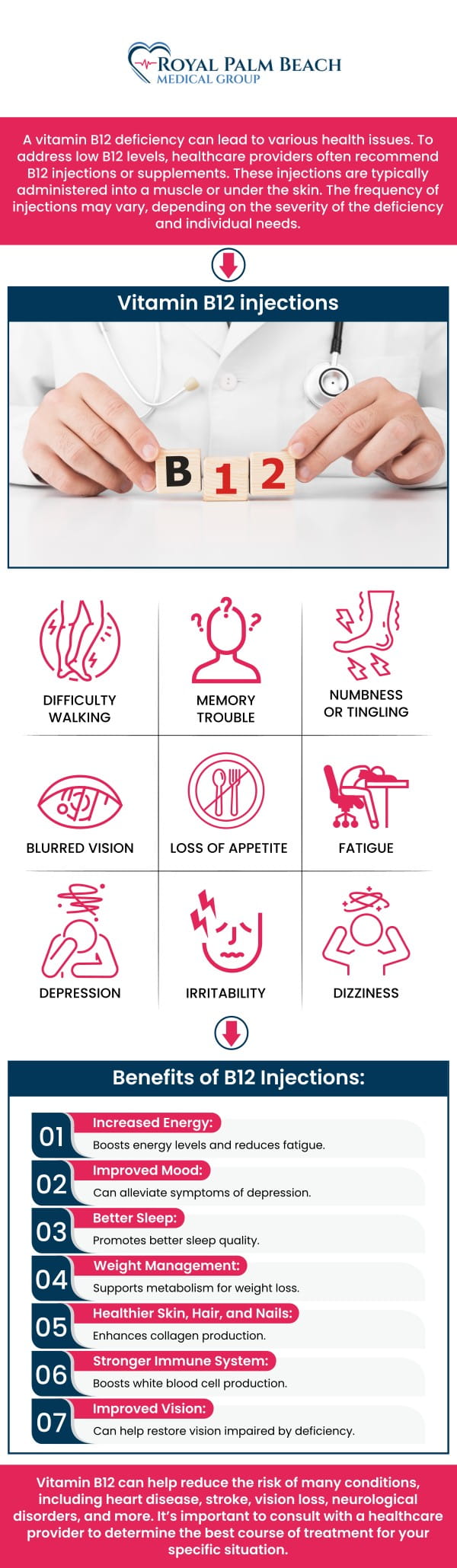
According to recommendations from nutrition institutes and the World Health Organization (WHO), the daily Recommended Dietary Allowance (RDA) is as follows: Infants 06 months: 0.4 mcg Infants 712 months: 0.5 mcg Children 13 years: 0.9 mcg Children 48 years: 1.2 mcg Children 913 years: 1.8 mcg Teenagers 14+ years and adults: 2.4 mcg Pregnant women: 2.6 mcg Breastfeeding women: 2.8 mcg Receiving adequate daily Vitamin B12 helps reduce the risk of anemia, fatigue, and neurological problems, while supporting optimal metabolic and overall bodily function
The physics are similar
Lentiviruses encoding myc-tagged c-MET (myc-c-MET, WT, or mutant cloned into the pLVx-IRES-puro vector) were generated in HEK 293 T packaging cells following standard transfection protocol 43
Did you know you could use your own blood to naturally enhance your appearance
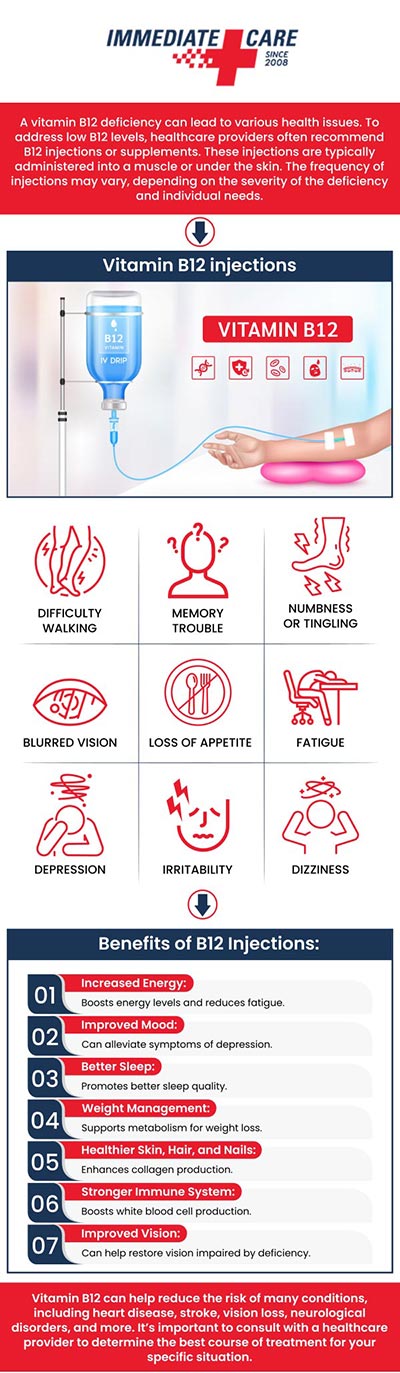
Signs You May Be Low in Vitamin B12 Persistent tiredness or lack of energy Brain fog or poor concentration Low mood, irritability, or anxiety Pale skin or dark under-eye circles Frequent headaches or dizziness Pins and needles or numbness in hands and feet Weak immune response Difficulty sleeping A deficiency in B12 is particularly common among vegetarians, vegans, people with digestive disorders, or those with high-stress lifestyles