Clear evidence-based candidates: People with obesity (BMI criteria plus comorbidities) People with type 2 diabetes Those with established high cardiovascular risk People with obstructive sleep apnea and obesity Those with metabolic-associated fatty liver disease Grey zone physician-guided, case by case: Prediabetes with strong family history Metabolic syndrome Significant compulsive eating patterns or food noise Alcohol use disorder very early evidence, not yet standard of care Not currently supported by evidence: Metabolically healthy individuals seeking optimisation or longevity Routine preventative use in low-risk populations That last category is where social media is running well ahead of the data
The duration of time that steroids remain in the body is influenced by several factors, with one significant factor being the half-life of the drug
Manter fora do alcance e viso das crianas
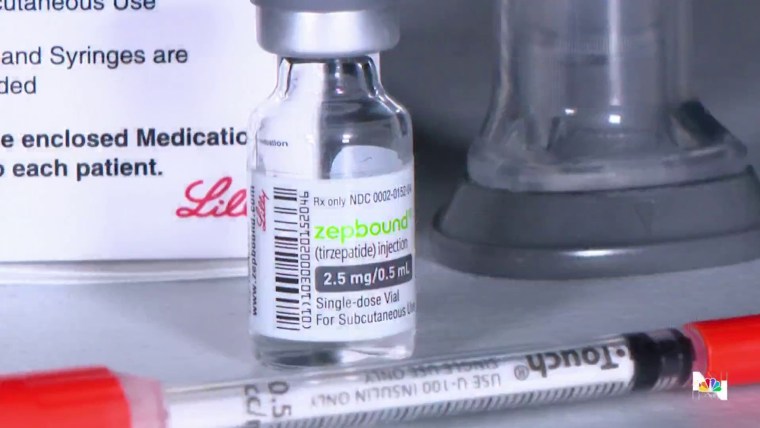
Patients who underwent a sleeve gastrectomy or gastric bypass lost about five times more weight after two years than people who had weekly injections of semaglutide or tirzepatide (the active ingredients in the anti-obesity drugs Wegovy and Zepbound, respectively), researchers reported Tuesday, June 17, at a meeting of the American Society for Metabolic and Bariatric Surgery
Targeted Fat Loss: Debunking the Myths While targeted fat loss through exercise is a common misconception, the reality is that spot reduction is largely ineffective