Key Takeaways Cagrilintide is a long-acting amylin analogue with clinical trial doses ranging from 0.3 mg to 4.5 mg weekly, while retatrutide is a triple agonist studied at 4 mg, 8 mg, and 12 mg weekly doses No published clinical trials currently exist evaluating the cagrilintide dosage with retatrutide combination, making any combined use experimental and off-label Both peptides work through different mechanismscagrilintide activates amylin receptors while retatrutide targets GIP, GLP-1, and glucagon receptorssuggesting potential complementary effects Gastrointestinal side effects (nausea, vomiting) occur in 60-80% of participants at higher doses for both compounds, raising concerns about additive effects when combined Proper dose escalation protocols spanning 8-20 weeks are critical for tolerability and adherence in peptide-based metabolic therapies Understanding Cagrilintide: Mechanism and Dosage Fundamentals What Is Cagrilintide
Serums come in many consistencies, but most are lighter than creams and oils
Sensing sulfur conditions: simple to complex biochemical regulatory mechanisms in plant thiol metabolism
In rats given BPC-157, serotonin levels in the brain increase in specific regions while simultaneously decreasing in other regions, such as the hippocampus.[ref] A 2020 study found that BPC-157 reduced leaky gut syndrome by stabilizing gut permeability after NSAID use.[ref] Reducing leaky gut theoretically can affect the gut-brain axis and reduce inflammation
After 8 weeks of consistent use, users report long-lasting glow and improved texture







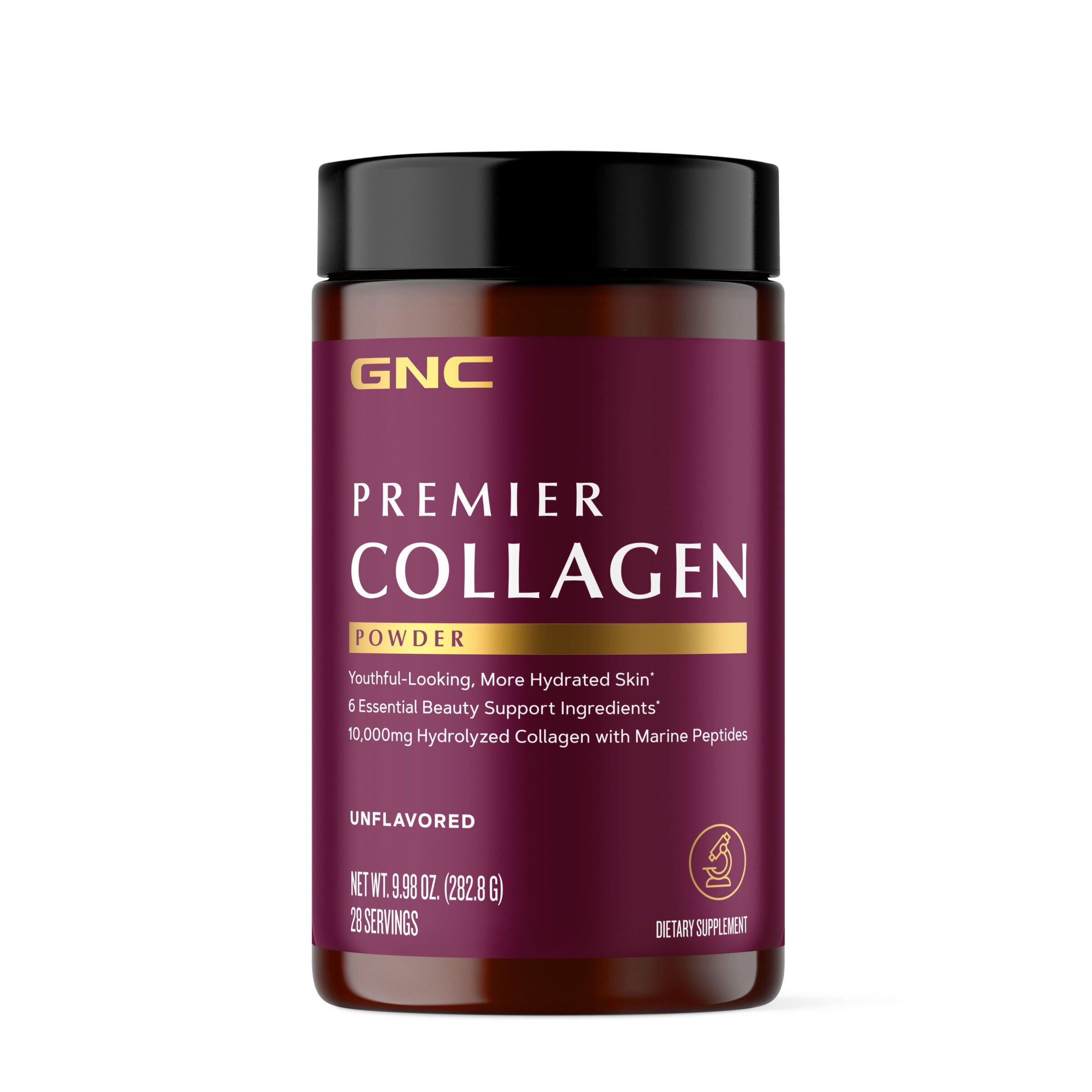
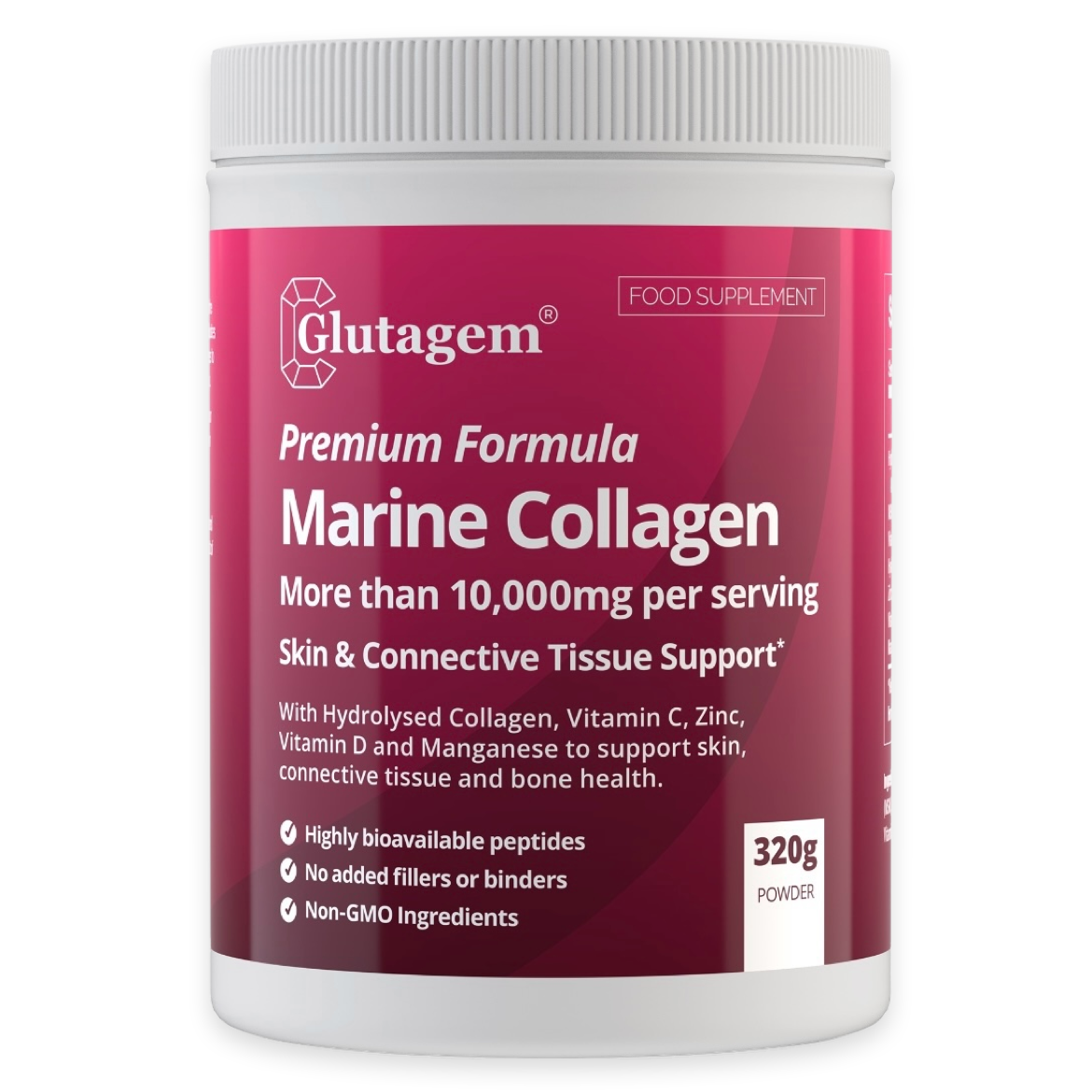

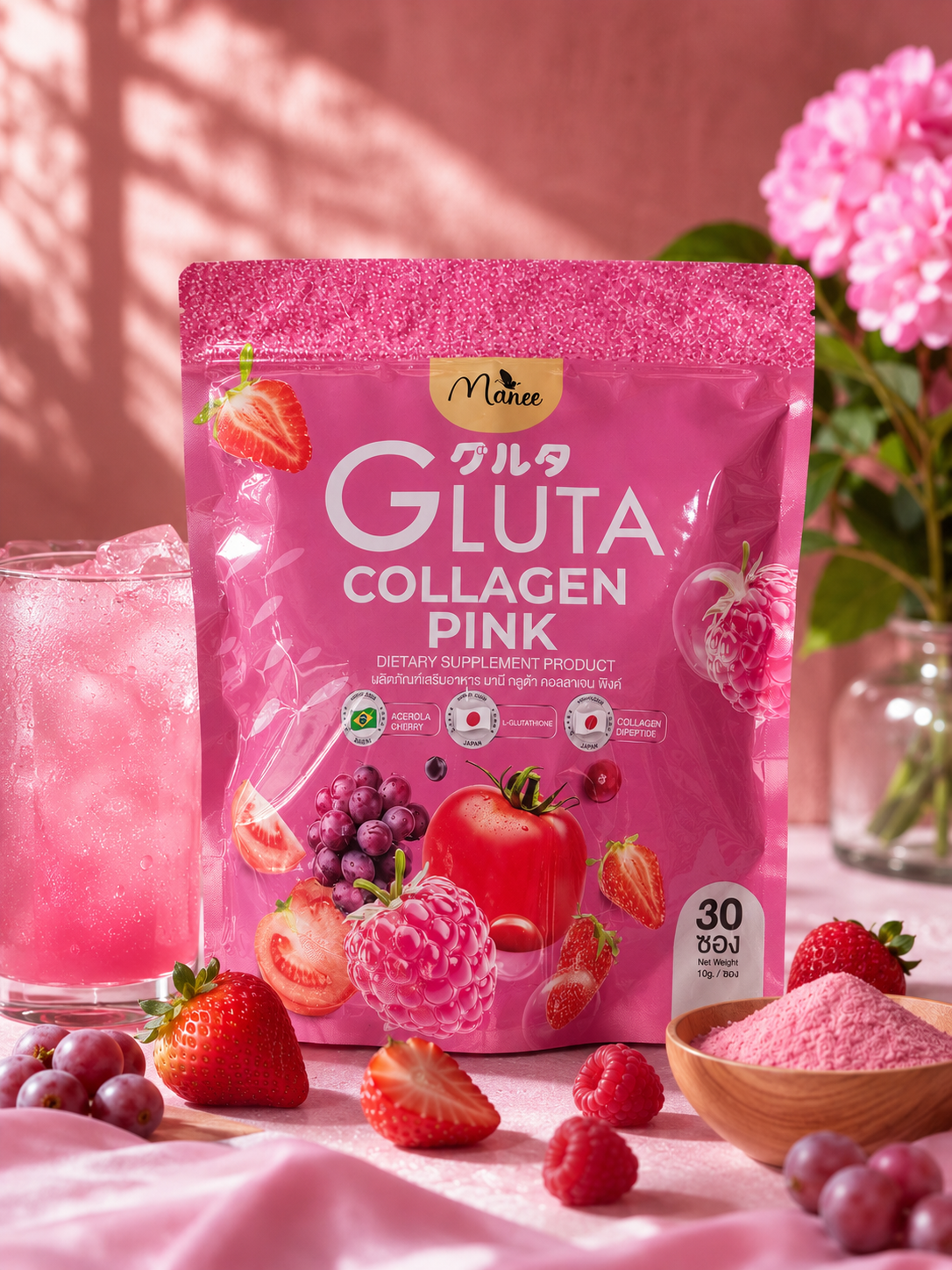




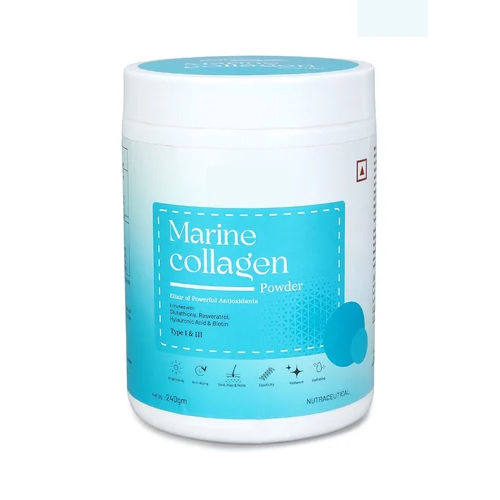
![[RAWEL] Glutathione Collagen Vitamin C Powder Stick](https://holiholic.com/cdn/shop/products/RAWEL_GlutathioneCollagenVitaminCPowderStick-Holiholic_fd98c9f1-aef5-4946-9b64-a74a8a1a5bd7.jpg?v=1673076832)