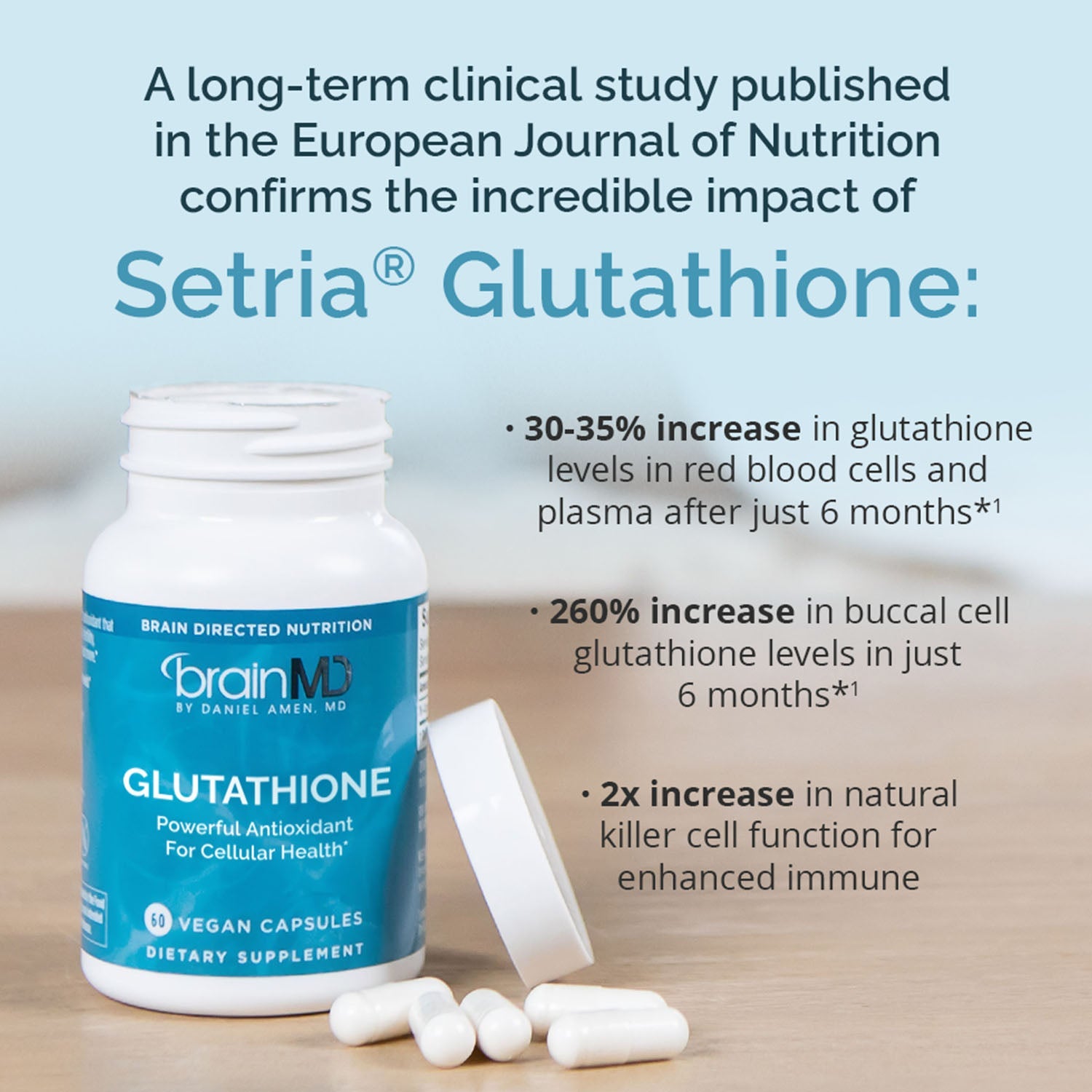
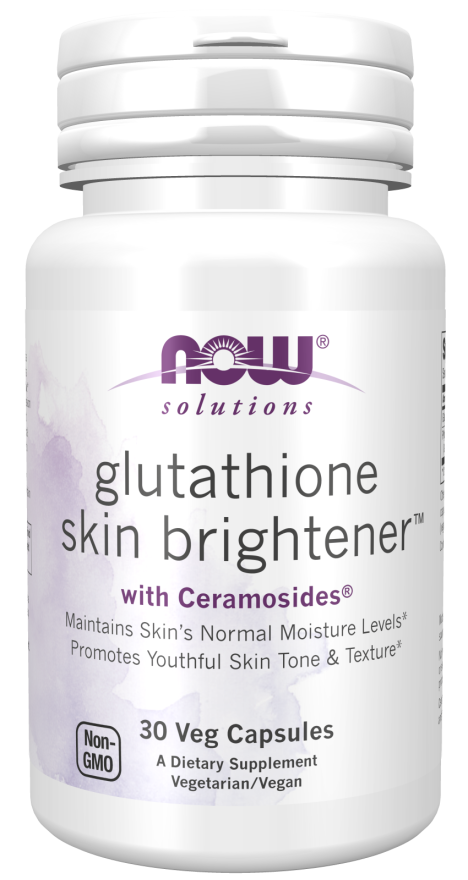
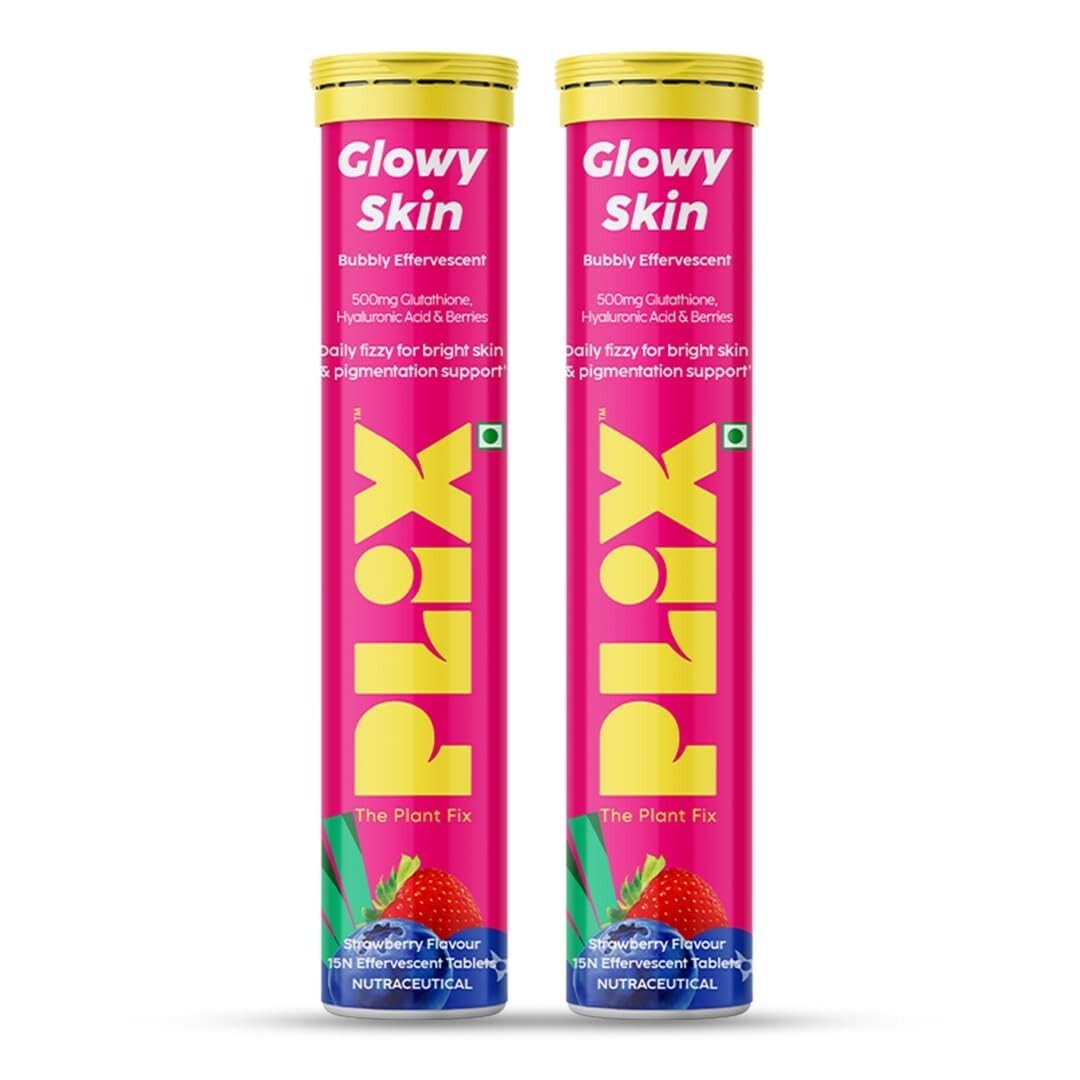
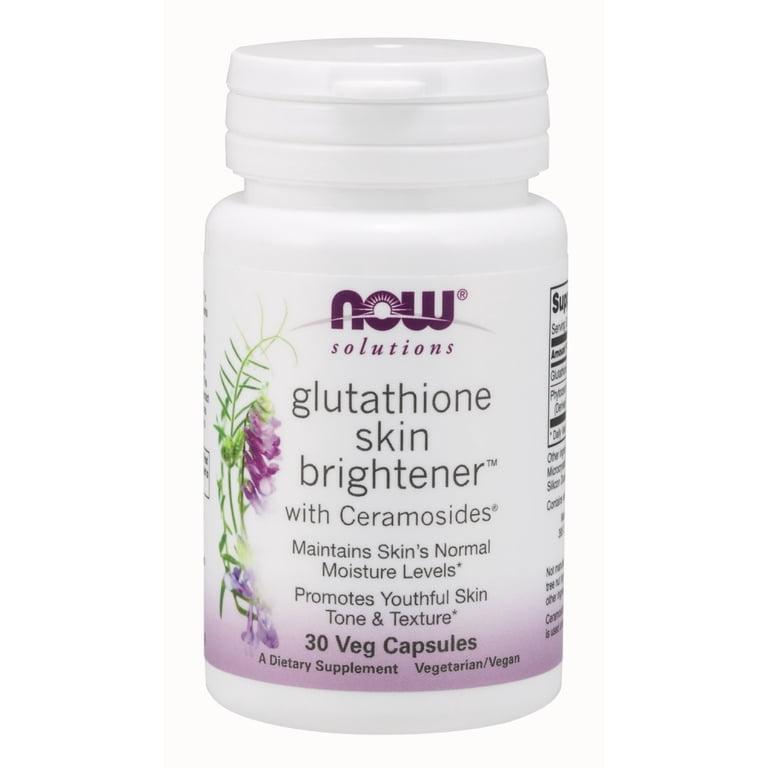
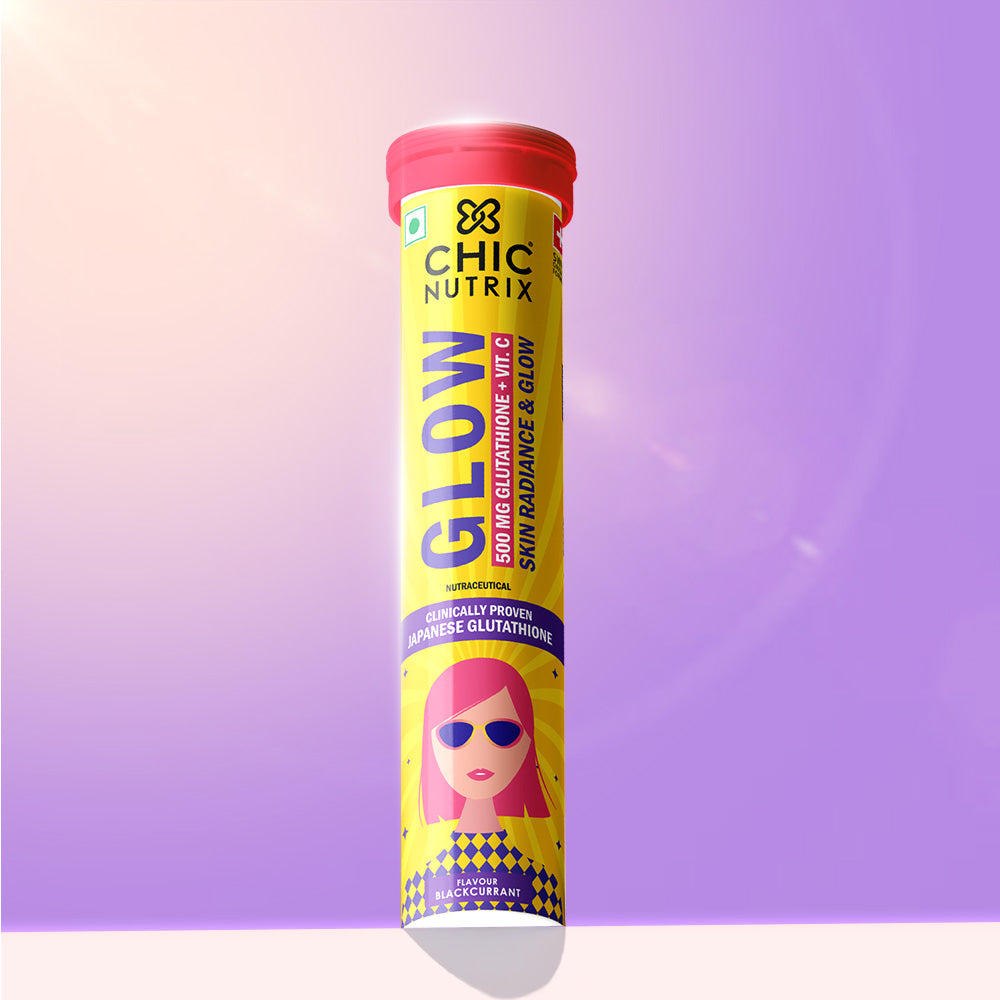
While these three compounds are frequently searched together, they dont share a single mechanism each interacts with a different biological pathway, which is precisely why researchers often examine them side by side rather than as interchangeable options
If you're vegan or vegetarian, then eat Brazil nuts and brown rice

Red flags for unsafe peptides Avoid peptides with: High rates of serious side effects Unknown long-term consequences Hormonal disruption risks Organ growth potential Insulin resistance development Difficult-to-manage complications Warning signs: Peptide is "research only" with minimal human data Requires aggressive cycling to avoid tolerance Causes permanent changes (bone/organ growth) Difficult to source safely (suggests regulatory concerns) Risk vs reward assessment Safest peptides: Healing peptides (BPC-157, TB-500) - massive reward, minimal risk Moderate GH peptides (CJC-1295, Ipamorelin) - good reward, low risk Moderate safety: GHRP-6 - good reward, moderate risk (appetite, prolactin) Hexarelin - excellent reward, higher risk (desensitization, cortisol) Higher risk: IGF-1 LR3 - excellent reward, significant risk (hypoglycemia, organ effects) High-dose GH peptides - potential thyroid, insulin issues See our best peptides for muscle growth for comprehensive muscle-building options and peptides vs steroids comparison to understand relative safety
The best copper peptide serums guide goes deeper on formulation factors to look for
& Berger, B