each 10% reduction in homocysteine is associated with 1.45-2.55 reduction in pulse pressure mmHg in patients undergoing hemodialysis (14)(27)(31) Increased urinary excretion of homocysteine in its sulfonated form (36) Omega-3 fatty acids 200-6,000 mg (~98-2,000 mg EPA/490-1,000 mg DHA) per day, for 1-12 months in patients with hyperhomocysteinemia or elevated homocysteine within normal ranges (8)(11)(13)(17)(18)(19)(25)(30)(42)(43) Reduced homocysteine by 1.18-1.58 mol/L on average using wide dose ranges, as shown in meta-analyses (8)(18) Reduced homocysteine by ~2.5-4.0 mol/L in patients with type II diabetes, patients on hemodialysis, or healthy adults using mid-range doses of 2,000-3,600 mg per day for 1-3 months and up to one year (11)(17)(25)(30)(42)(43) Reduced homocysteine by ~1.6 mol/L over 12 months in patients younger than 65 years, previously suffering from myocardial infarction (13) Adjunct therapy with folic acid, vitamin B6, and vitamin B12 improved efficacy (8)(17) Adjunct aerobic exercise and cognitive stimulation may be required for benefit in some populations, including older adults with mild cognitive impairment (19)
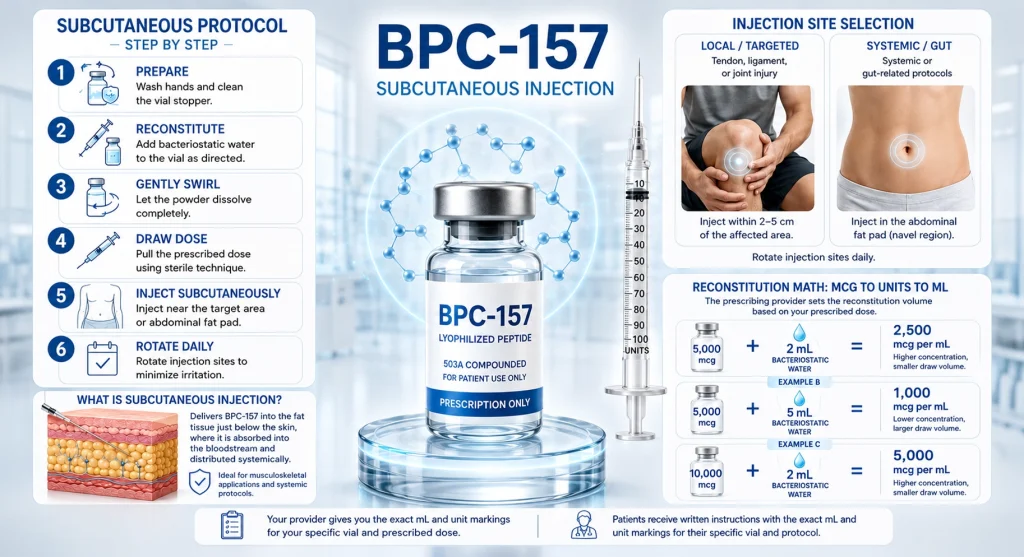
Additionally, the study delved into the possible role of the FAK-paxillin pathway (a pair of focal adhesion-linked proteins that relay signals following integrins) in conveying the action of BPC-157. Western blot tests hinted that the phosphorylation rates of both FAK and paxillin seemed to rise with BPC 157, yet the overall protein quantities stayed constant.(8)
This is not a hypothetical scenario
Individuals with pernicious anemia, characterized by a lack of intrinsic factor, are also particularly susceptible
Unlike hormone replacement therapy (HRT) or testosterone replacement therapy (TRT), BPC-157 is not considered a hormone and does not directly replace testosterone