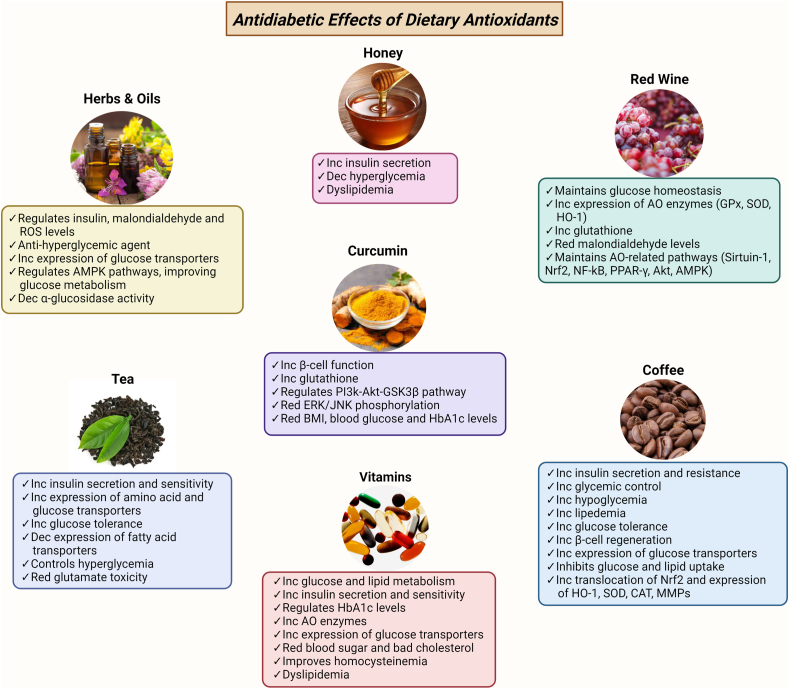
Preclinical and clinical studies have demonstrated that bioactive compounds such as polyphenols, alkaloids, terpenoids, saponins, and flavonoids exert beneficial effects on AD-related pathways by reducing oxidative stress, suppressing neuroinflammation, preventing A aggregation, and modulating tau hyperphosphorylation (Liu et al., 2024)
Some people feel energized right away
BALB/c mice provide essential insights into both immunological and neurodegenerative mechanisms, contributing significantly to understanding and addressing AD-related challenges
In innate immunity, Clostridium modulates macrophage polarization (shifting from pro-inflammatory M1 to anti-inflammatory M2), induces tolerogenic dendritic cell phenotypes to suppress excessive antigen presentation, regulates inflammatory body activity and neutrophil hyperactivation, and modulates ILC subsets to reinforce mucosal defense
Conference attendance from start to finish is required to receive the Professional Growth Hours