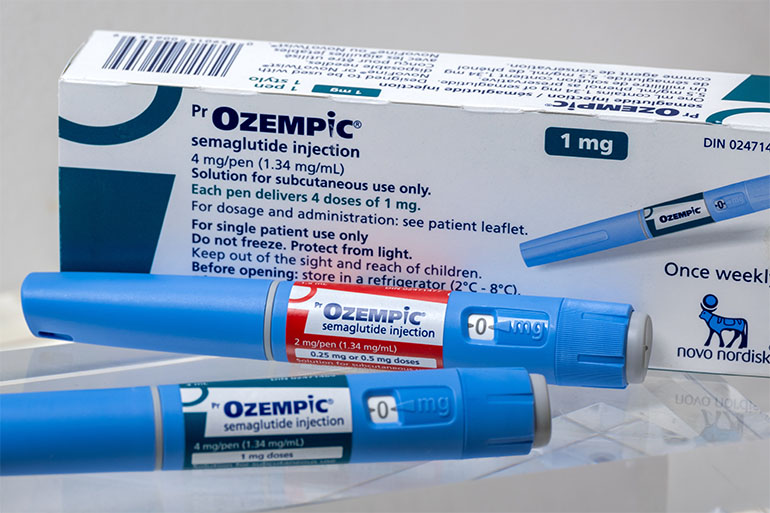
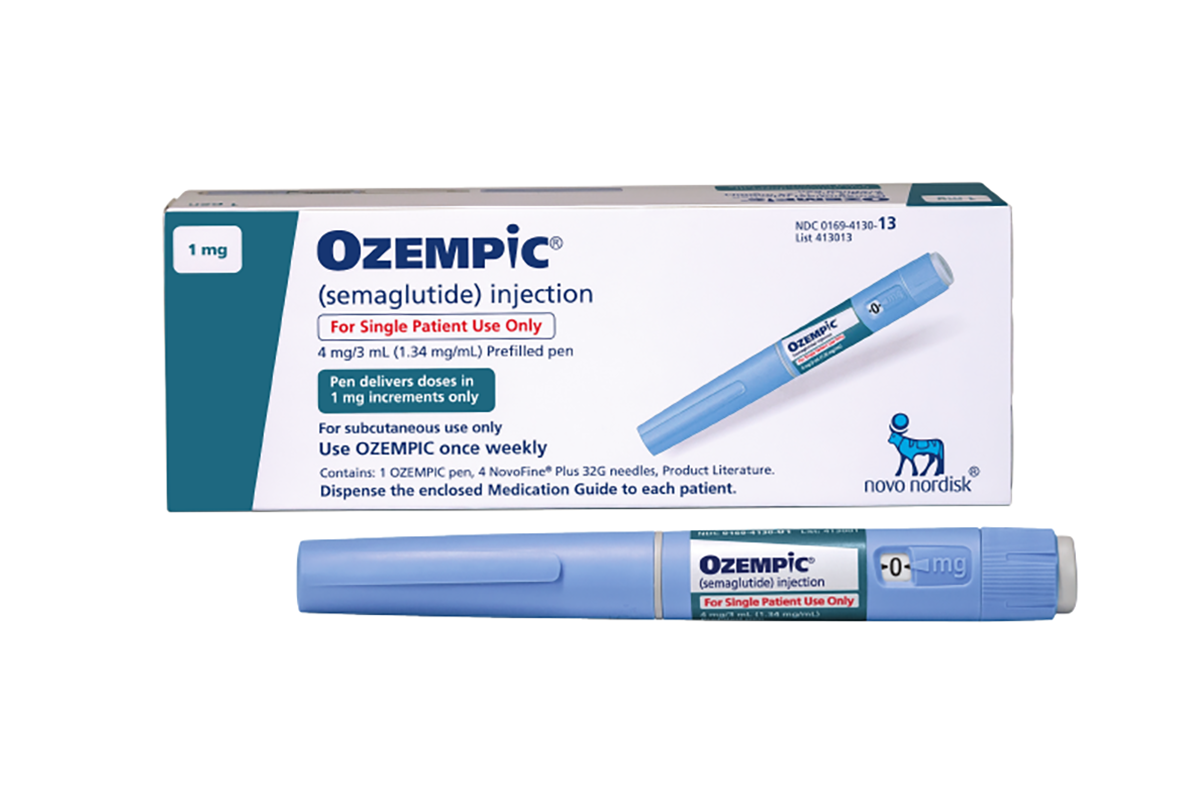
Heres a comprehensive breakdown: Timeline for results: Initial effects: Appetite suppression: Often noticed within the first 1-2 weeks Early weight loss: Some patients report weight loss starting in the first month Significant weight loss: 3 months: Average weight loss of 5-10% of body weight 6 months: Many patients achieve 10-15% weight loss 12-16 months: Peak weight loss, often 15-20% of initial body weight Maintenance phase: After reaching maximum weight loss, typically around 68 weeks (16 months) Factors affecting the speed of results: Starting weight and BMI Adherence to dosing schedule Diet and exercise habits Individual metabolic factors Presence of comorbidities (e.g., diabetes) Duration of use: FDA approval: Semaglutide is approved for long-term use in chronic weight management Indefinite use: Some patients may need to continue the medication indefinitely to maintain weight loss Discontinuation effects: Weight regain is common if the medication is stopped Recommended usage patterns: Initial phase: Dose escalation over 16-20 weeks to reach the full therapeutic dose Maintenance phase: Continued use at the full dose Regular monitoring: Ongoing evaluations by healthcare providers to assess efficacy and safety Considerations for long-term use: Annual reassessment of the treatment plan Monitoring for potential side effects Adjusting dosage based on weight loss progress and tolerance Maximizing and maintaining results: Combine with lifestyle modifications (diet and exercise) Regular follow-ups with healthcare providers Addressing any side effects promptly Consistent, long-term adherence to the treatment plan Its important to note that Semaglutide is not a quick fix but rather a tool for long-term weight management

This personalized approach reduces stomach pain incidence by up to 35% compared to standard one-size-fits-all dosing protocols, allowing more patients to achieve their weight loss goals without debilitating gastrointestinal side effects
The nutrition strategies here are general guidelinesyour individual needs may differ
If you prefer gummies, follow the serving size on the bottle, which usually equates to one or two gummies
Lancet 402(10403):705719 Del Prete M DO, Di Sacco G, Vignati F, Gavazzi L, Muratori F