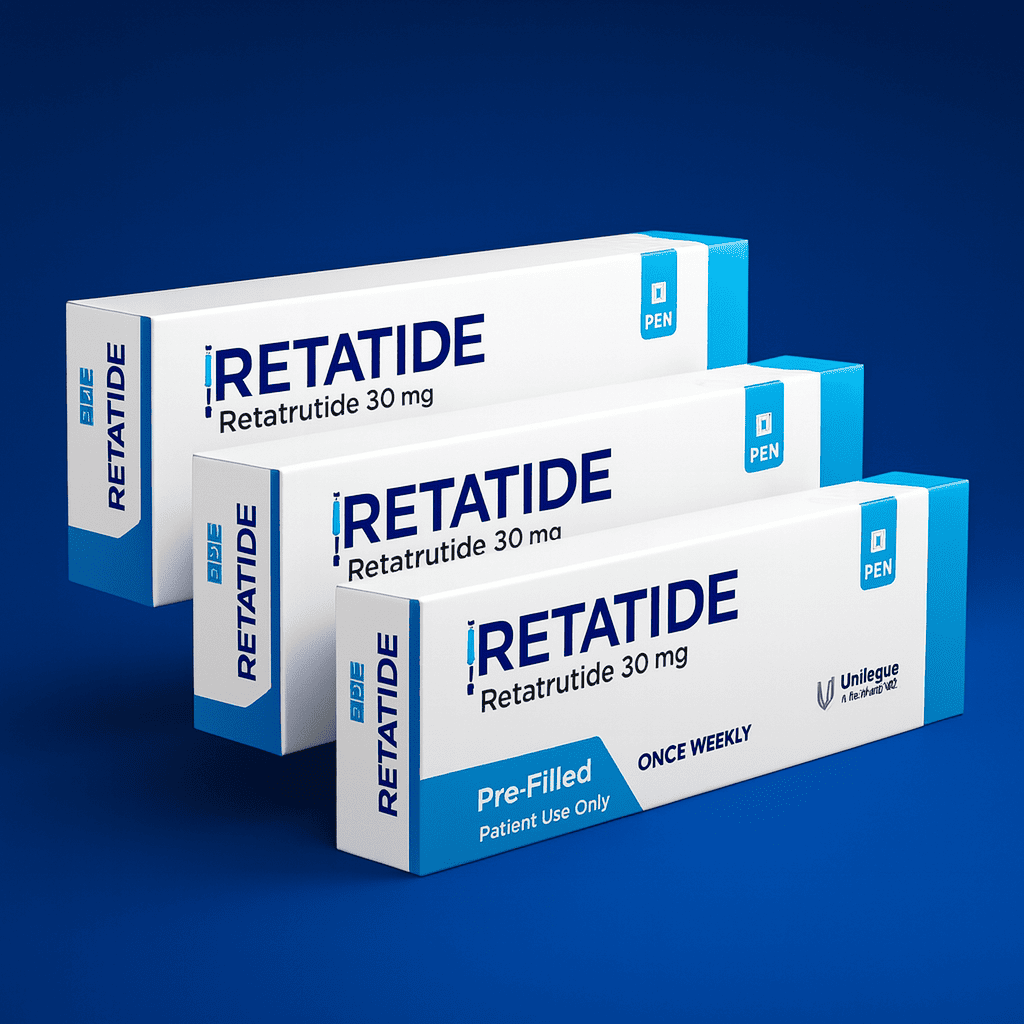
Understanding your options helps you advocate appropriately with your healthcare provider
Practical Application Start with protein and vegetables: Activates L-cells early, triggers initial GLP-1 release Add healthy fats: Sustains L-cell activation, slows gastric emptying Include complex carbohydrates: Provides sustained nutrient flow to L-cells Finish with fruit (optional): Final fiber and polyphenol boost Protein source: 25-30 grams (palm-sized portion) Non-starchy vegetables: 2-3 cups (fiber and volume) Healthy fat: 1-2 tablespoons olive oil or avocado Complex carbohydrate: -1 cup quinoa, sweet potato, or legumes Example L-Cell Optimizing Meals: Breakfast: Greek yogurt with berries, ground flaxseed, chopped walnuts, and a drizzle of honey Lunch: Grilled chicken over mixed greens with chickpeas, avocado, and olive oil dressing Dinner: Baked salmon with roasted Brussels sprouts and quinoa, side of sauerkraut Advanced Strategy: Time-Restricted Feeding The Science: L-cells demonstrate circadian rhythms in their GLP-1 secretion capacity
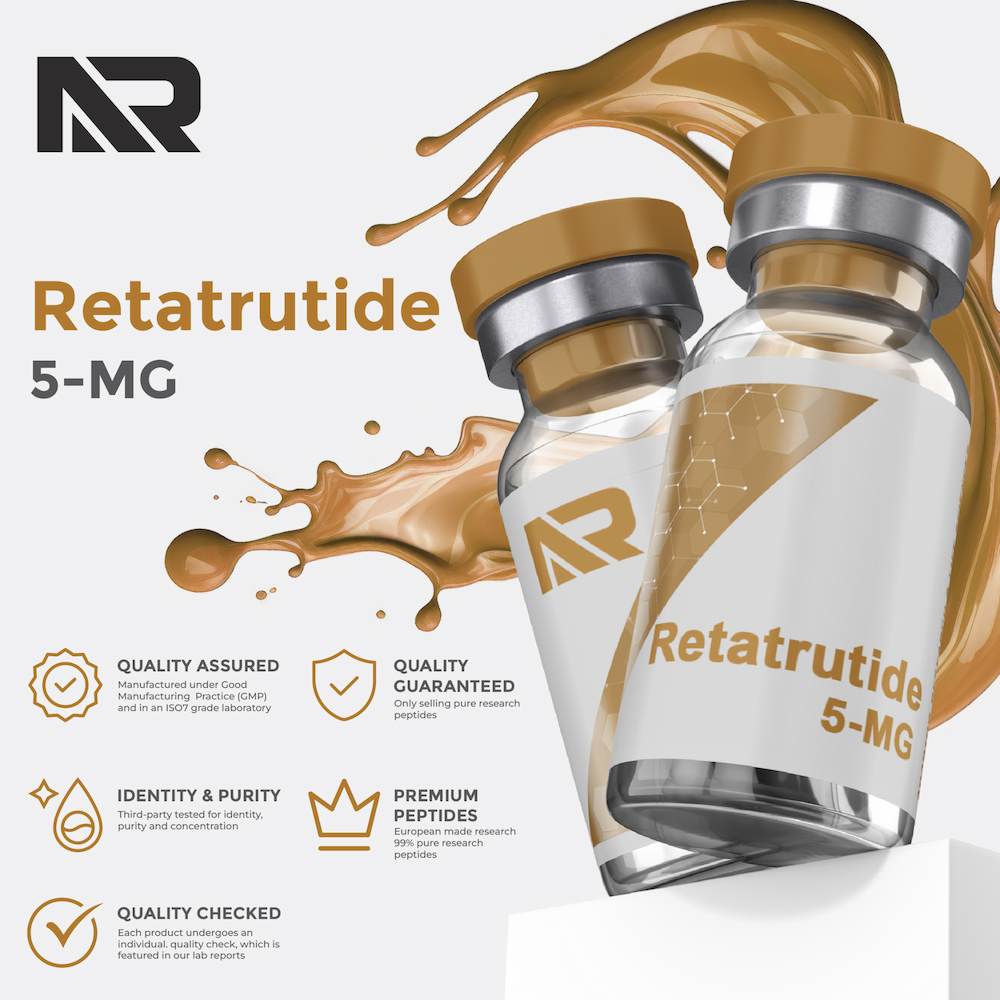
Fewer or More Manageable Side Effects Many people explore microdosing GLP-1 medications in hopes of reducing common GLP-1 side effects such as nausea, vomiting, diarrhea, and appetite suppression
Tirzepatide (15mg, Zepbound): Up to 22.5% body weight reduction over 72 weeks in the SURMOUNT trials
This overlap guides doctors to wrong diagnoses and makes patients go through unnecessary tests

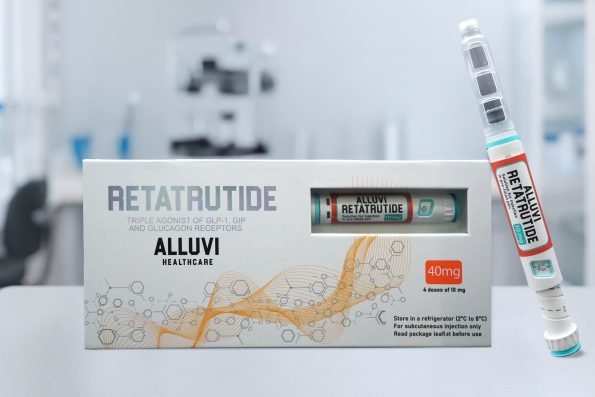


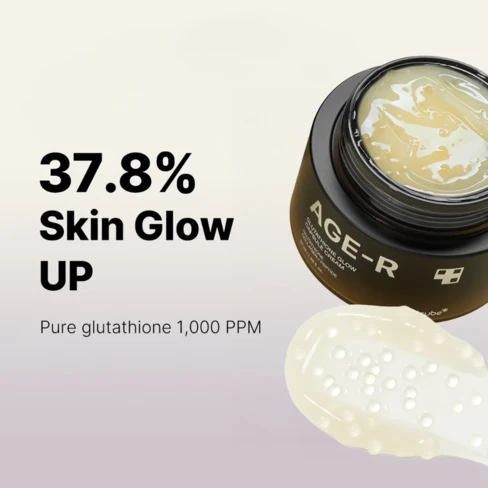
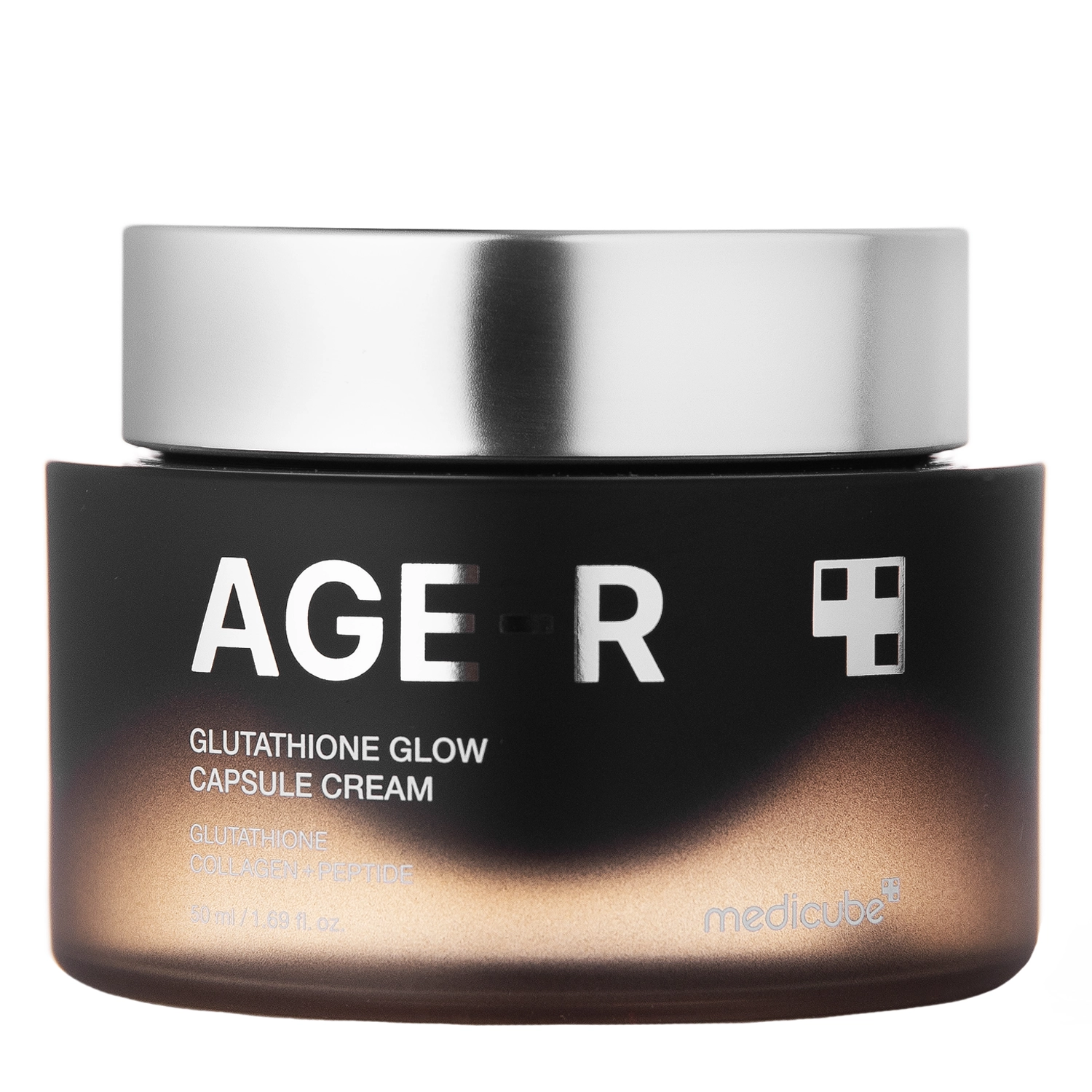
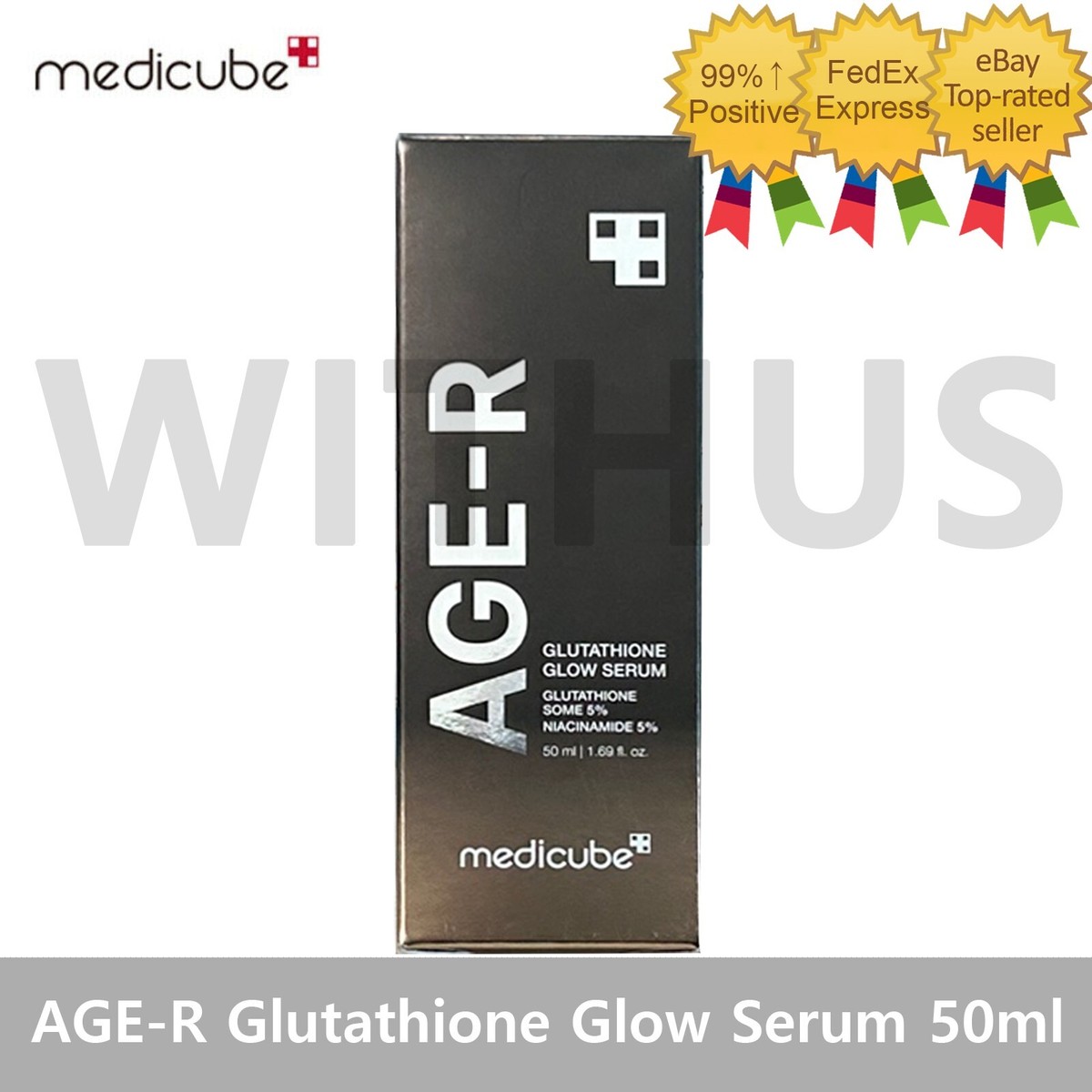
![[MEDICUBE] AGE-R Glutathione Glow Serum 50ml](https://medicube.us/cdn/shop/files/MicrosoftTeams-image_109_58de6ca2-9f3a-4e49-a3c0-45b676beedc9.jpg?v=1766467541&width=1445)


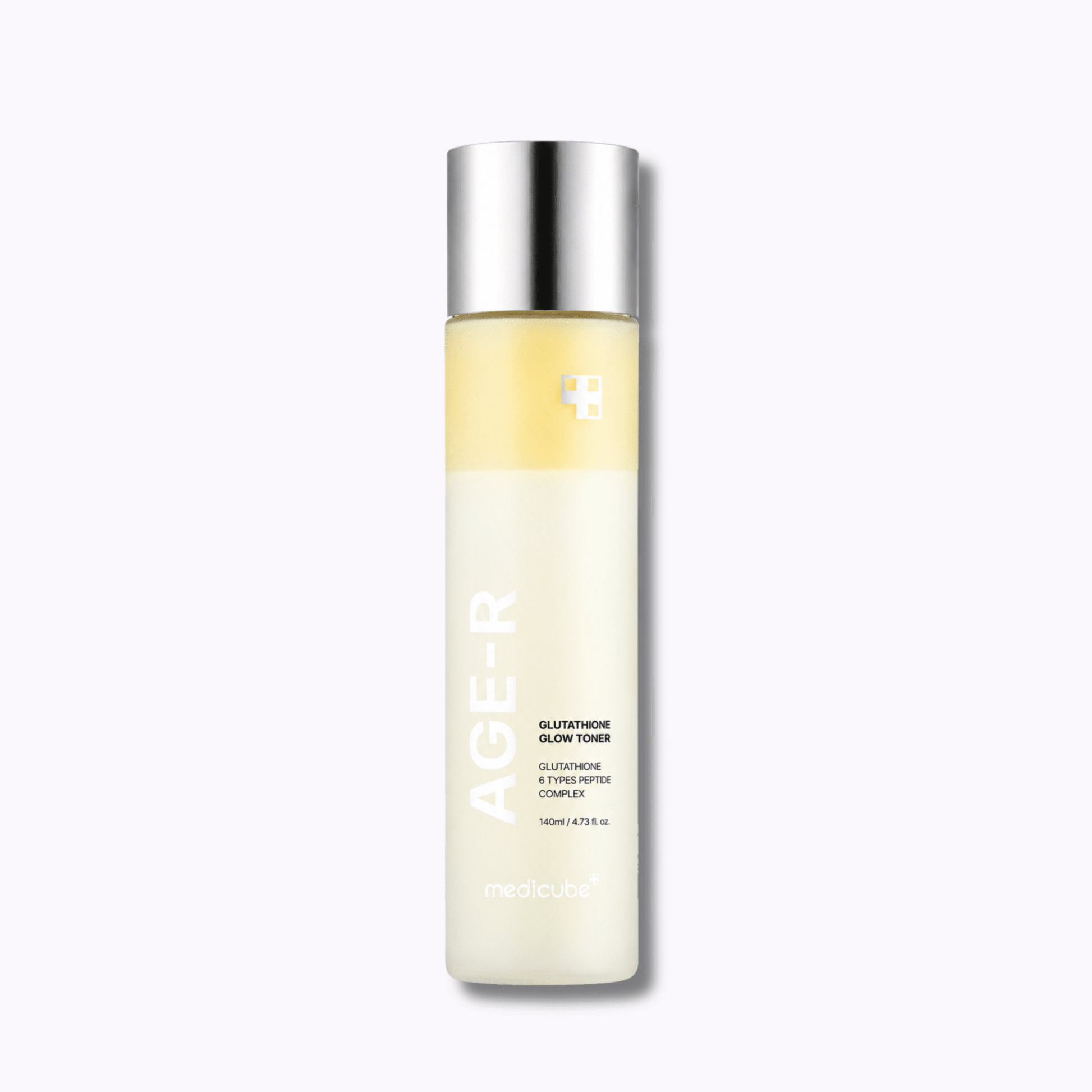
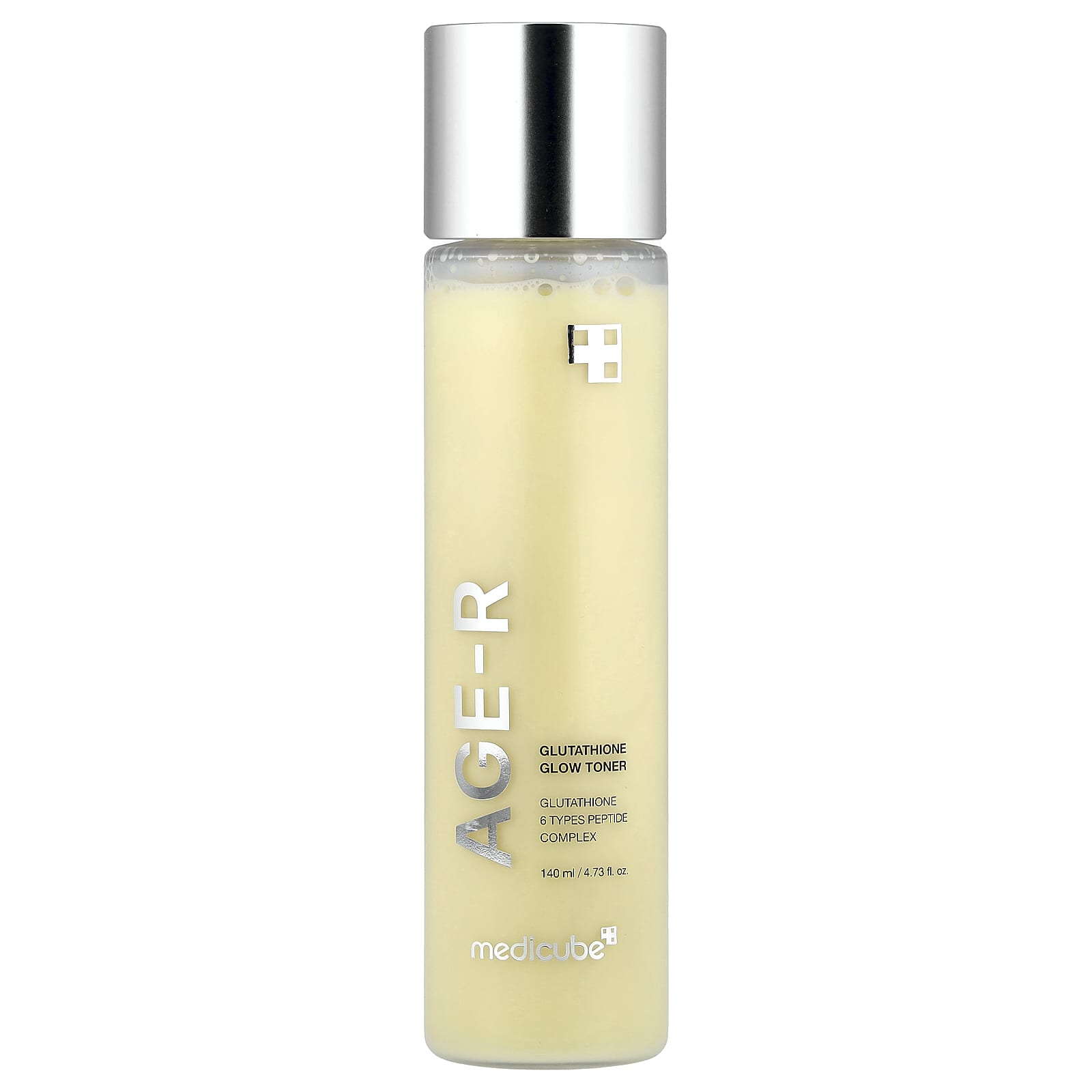


![[ MEDICUBE ] AGE-R Glutathione Glow Toner 140ml / 4.73 fl.oz](https://i.ebayimg.com/images/g/2sQAAeSwpFBpxqx3/s-l1200.jpg)