A healthy lifestyle, including a balanced diet and regular exercise, is essential for maintaining weight loss and overall well-being, and any cosmetic procedure should not compromise health
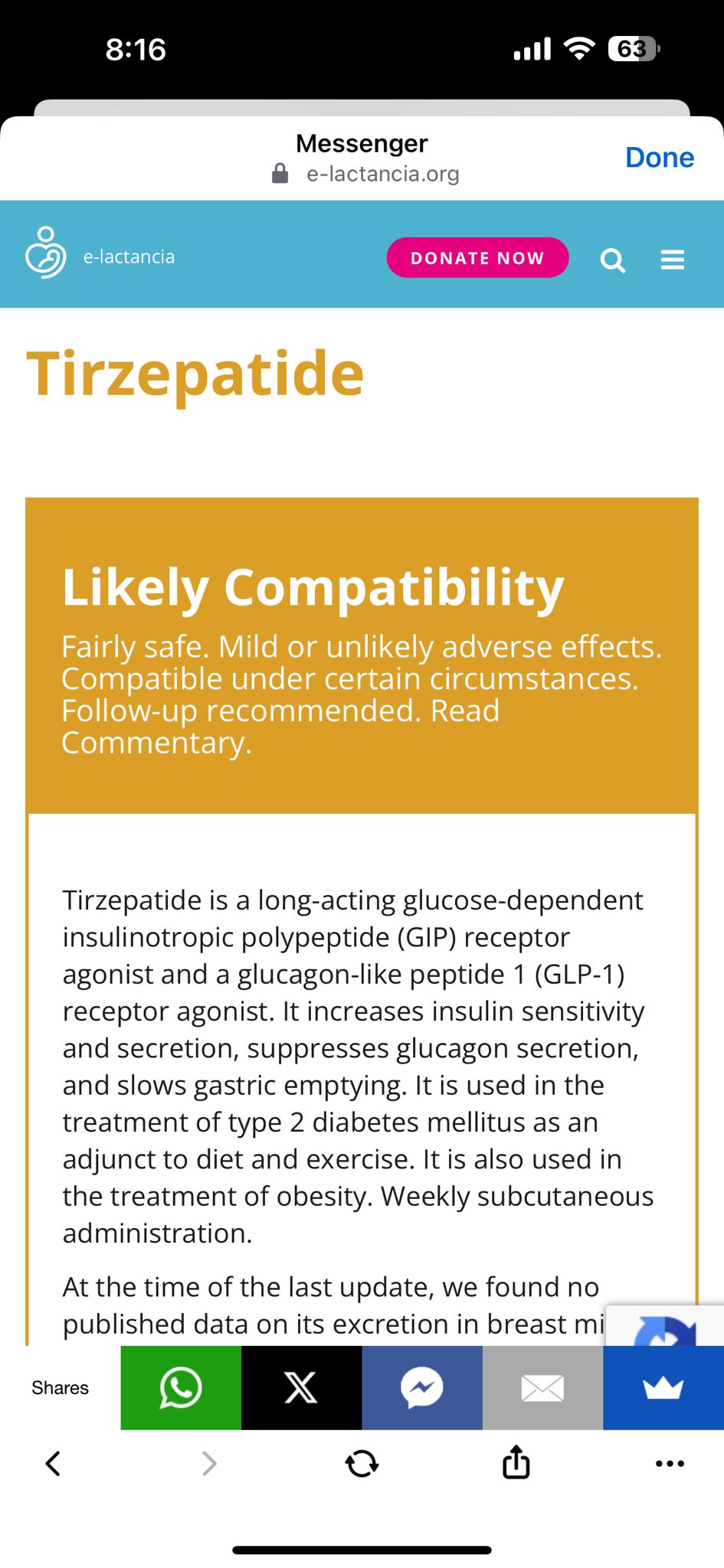
Key safety monitoring parameters include: Baseline and periodic assessment of nutritional status (complete blood count, comprehensive metabolic panel, vitamin levels, albumin) Renal function monitoring, particularly during dose escalation, due to risk of acute kidney injury from dehydration Evaluation for gastrointestinal symptoms and differentiation from surgical complications Monitoring for gallbladder disease, which may be increased with weight loss and semaglutide use Assessment of medication adherence and injection technique Eye examination in patients with diabetes due to potential risk of diabetic retinopathy progression with rapid glycemic improvement Regular follow-up with both bariatric surgery and endocrinology or obesity medicine teams when possible Patients should be counseled to report severe or persistent nausea, vomiting, abdominal pain, or inability to maintain adequate hydration or nutrition, as these may warrant dose adjustment, temporary discontinuation, or further evaluation for surgical complications

Digital coaching, behavioral support, weight maintenance programs, and payer/health system alignment will be increasingly core to outcomes and reimbursement
But for doctors and policymakers, the coming wave of generics raises harder questions: Will cheaper semaglutide meaningfully curb Indias obesity epidemic
Adaptation tip: Smaller, simpler meals (and slower eating) may help reduce discomfort during the initial adjustment phase
:max_bytes(150000):strip_icc()/VWH-GettyImages-2126120259-c2442d334436484baa255439265b7fb1.jpg)