Several possible explanations for changes in urinary frequency include: Improved glycaemic control : As Ozempic helps lower blood glucose levels, patients with previously poorly controlled diabetes may notice reduced urination compared to their baseline, as high blood sugar itself causes increased urination (polyuria) Dietary changes : Some patients alter their fluid intake or dietary habits when starting Ozempic, particularly as the medication often reduces appetite Weight loss : Weight reduction, which commonly occurs with Ozempic treatment for type 2 diabetes, may influence fluid balance Other common causes of increased urination unrelated to Ozempic include: Urinary tract infections Enlarged prostate in men Caffeine or alcohol consumption Other medications, particularly diuretics Anxiety It's important to note that Ozempic is licensed in the UK for the treatment of type 2 diabetes, while Wegovy (also semaglutide) is the licensed product for weight management

Get some sunshine Direct sun exposure has been shown to raise MSH levels, a hormone that is often low (5) when you have mold toxicity
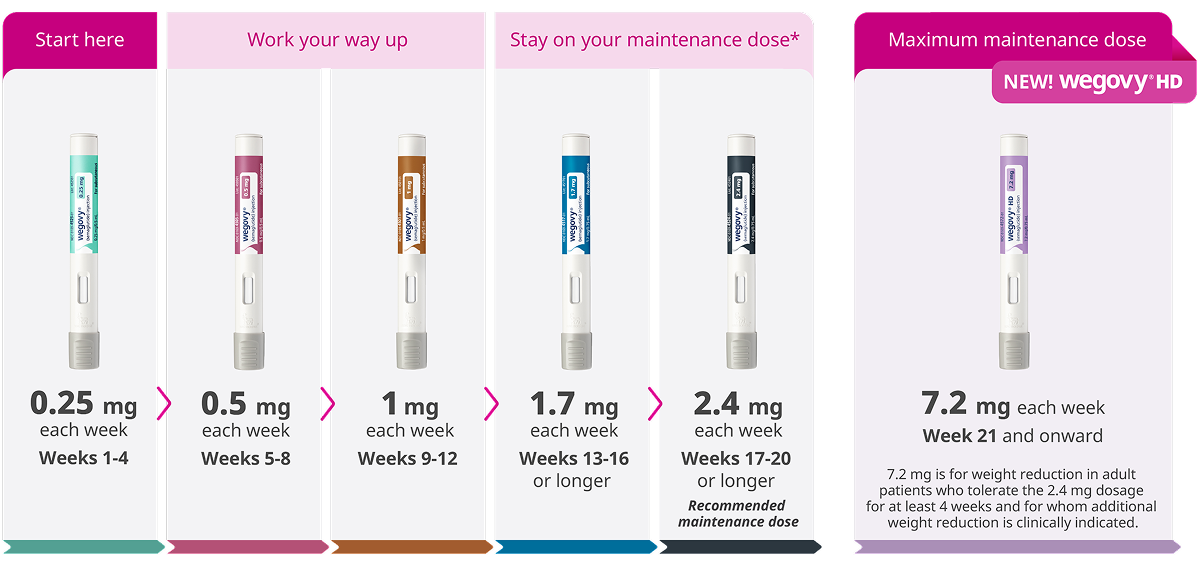
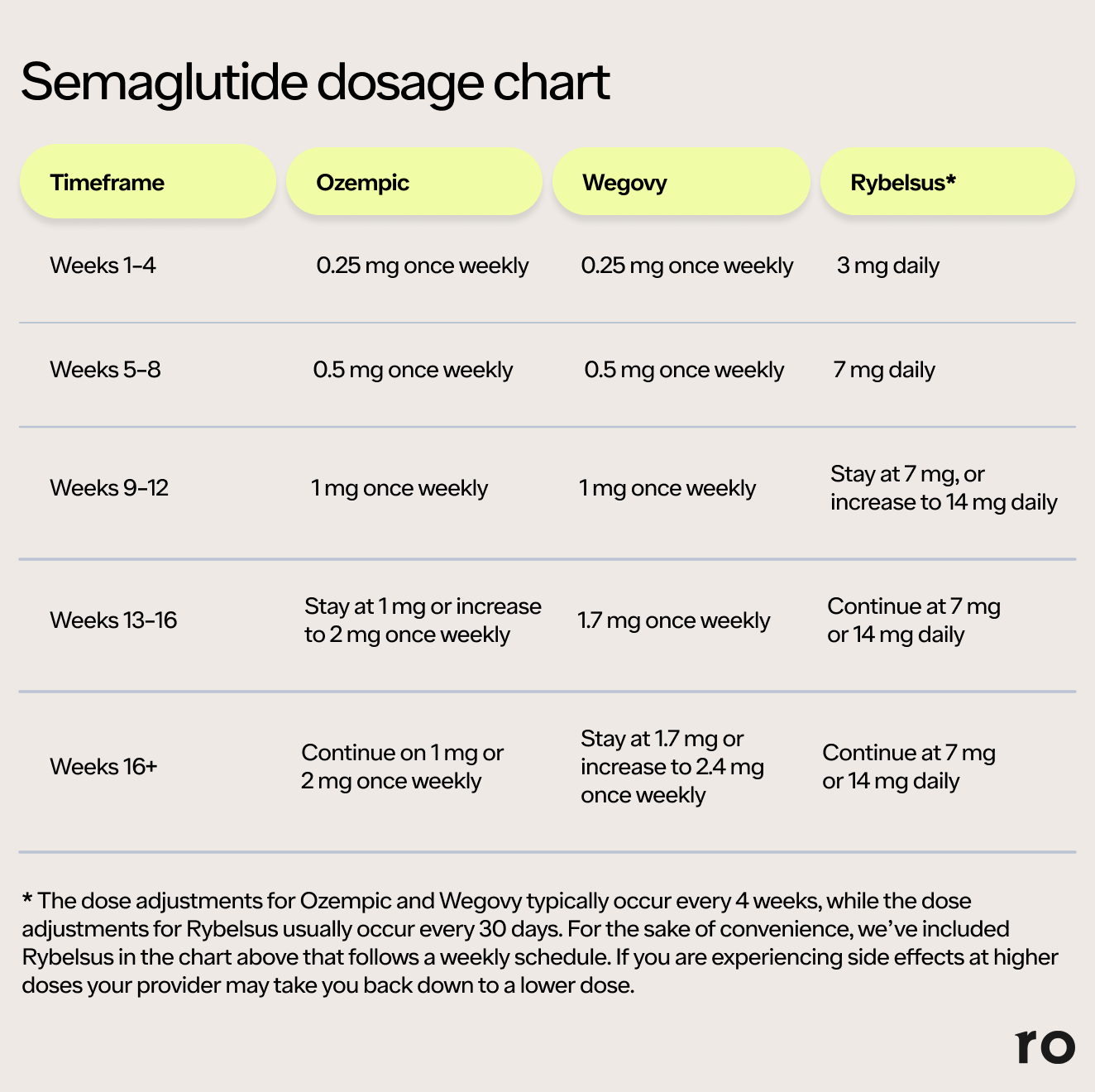
The transition between the two medications requires careful dose matching to avoid gaps in coverage or accidental overdosing
For most people, if theyre eating a pretty balanced diet with fruits and vegetables, whole grains, low-fat proteins, dairy and beans, then I would say [they] most likely [dont need a supplement], unless its recommended by a doctor because theyre specifically deficient in something, Haggerty says
How do the access pathways in the post differ in how deeply they evaluate someone




.png)
.png.jpg)




:max_bytes(150000):strip_icc()/VWH-GettyImages-2158519129-372ed708fbbb4c6e9f472a8218cd52ee.jpg)